
 By
By For most Nigerians, virtual reality is not something you buy and take home. It is something you experience at a tech event, a gaming lounge, a mall activation, or a pop-up exhibition. You put on a headset, step into another world for a few minutes, then return it to an attendant waiting patiently beside you.
That experience, however short, is enough to spark curiosity.
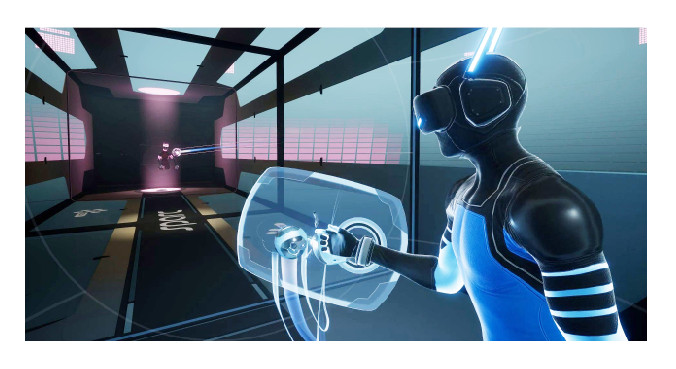
Virtual Reality (VR) games place players inside a digital environment using headsets that track head movement and, in some cases, hand motion. Instead of watching a screen, the player becomes part of the scene. You look around, move, and react as if the world is real.
In Nigeria, VR gaming remains a niche experience largely due to cost and infrastructure. High-quality headsets, compatible computers, and stable power supply make home ownership difficult for most users. As a result, VR has found a more natural home in shared spaces—gaming hubs, tech exhibitions, innovation labs, and event centres.
Where VR is gaining real traction is not only in entertainment, but in demonstration and training. Some tech hubs and learning centres use VR simulations to introduce concepts in architecture, engineering, safety training, and digital design. Simple VR games are used to demonstrate spatial awareness, reaction time, and problem-solving in ways traditional screens cannot.
For young Nigerians encountering VR for the first time, the impact is often emotional. The sense of immersion—standing on a virtual bridge, navigating a simulated environment, or interacting with 3D objects—creates a level of engagement that feels new and memorable. This makes VR particularly effective for education showcases, STEM outreach, and technology awareness programmes.
VR gaming in Nigeria is not yet mainstream, and it may not be for some time. But its presence—however limited—signals where interactive technology is headed. As hardware becomes more affordable and developers gain access to better tools, VR may gradually move from novelty to utility.
For now, virtual reality games remain a glimpse into the future—one that Nigerians are beginning to step into, one headset at a time.


