
 By
By Donald Trump has announced a new 10 percent tariff on imports into the United States, following a major setback at the U.S. Supreme Court, which struck down several of his earlier trade measures.
The new tariff, signed in the Oval Office, is expected to take effect on February 24 and remain in place for 150 days. According to a White House factsheet, exemptions will apply to sectors under separate investigations, such as pharmaceuticals, as well as goods traded under the United States-Mexico-Canada Agreement.
Despite existing agreements, countries that had previously negotiated tariff deals with the Trump administration will now also be subject to the 10 percent duty. However, officials say there are plans to review and possibly adjust these rates to reflect prior arrangements.
The development comes after the Supreme Court ruled, in a 6–3 decision, that the president lacked the authority under the 1977 International Emergency Economic Powers Act to impose sweeping tariffs. The court stated that the law does not explicitly grant the president powers to enforce such duties.
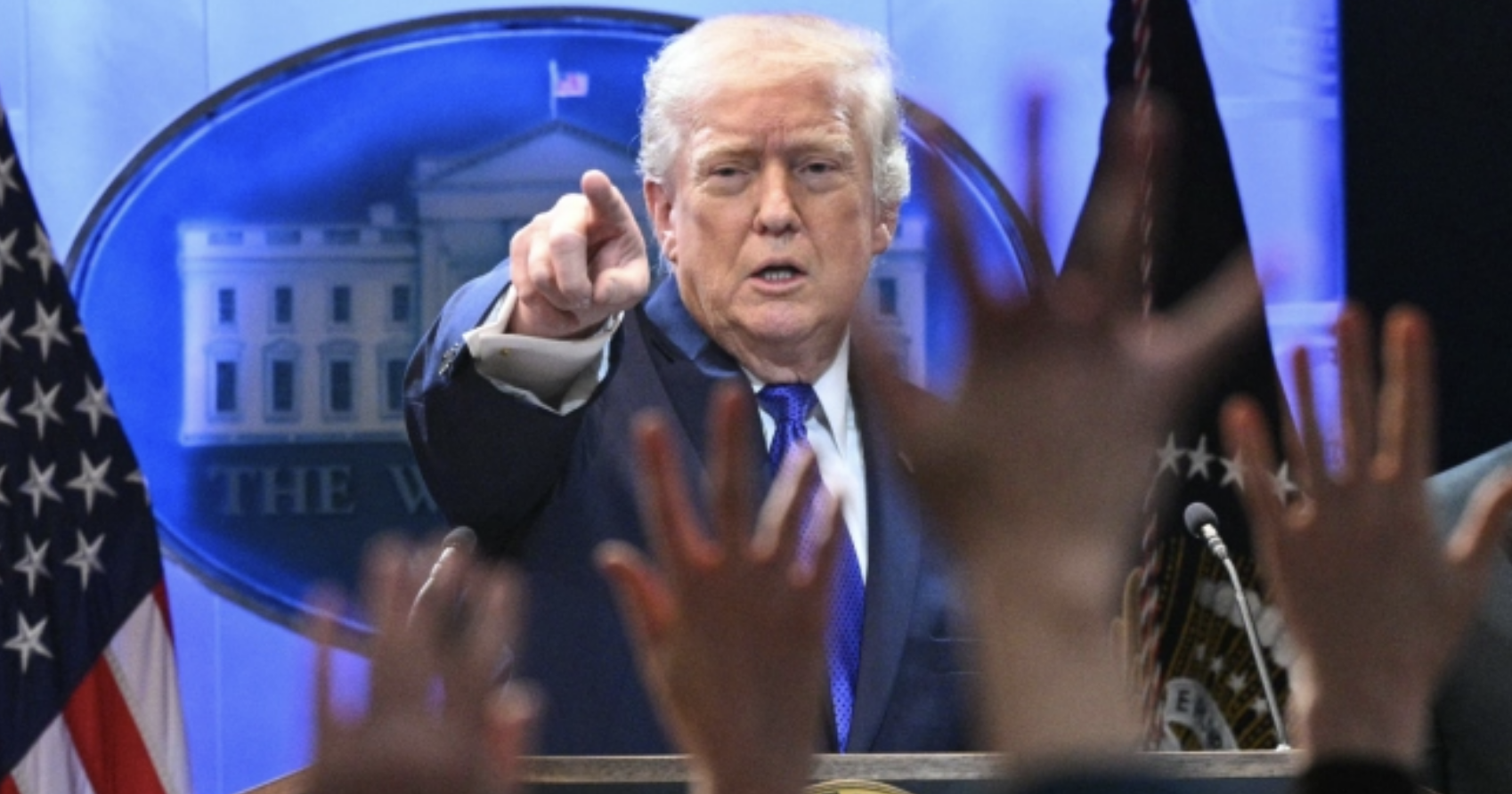
Responding to the ruling, Trump criticized the decision and expressed disappointment with the justices, arguing that the judgment does not limit his broader authority on tariffs.
Treasury Secretary Scott Bessent said the administration is exploring alternative mechanisms to maintain tariff revenues, projecting minimal impact on government income in 2026.
The ruling does not affect sector-specific tariffs previously imposed on goods such as steel and aluminum, and further investigations could still result in additional targeted duties.
The decision marks one of the most significant judicial challenges to Trump’s economic policies since his return to office. While financial markets reacted positively, business groups welcomed the ruling for providing clarity and predictability.
Meanwhile, questions remain over whether companies will receive refunds for tariffs already paid. Although the administration had suggested refunds might be issued if the tariffs were deemed unlawful, the court did not address the issue directly.
Economists estimate that potential refunds could reach up to $175 billion. However, some lawmakers, including Elizabeth Warren, have noted the absence of a clear legal pathway for consumers and small businesses to recover these costs.
The ruling has drawn international attention, with key trading partners such as European Union, Britain, and Canada reviewing its implications amid concerns over future trade tensions.


