
 By
By
Global oil prices surged on Thursday, briefly climbing above $100 per barrel, while stock markets extended losses as fresh attacks on Gulf energy targets offset the release of crude reserves by major economies.
The International Energy Agency (IEA) warned that the ongoing Middle East conflict is “creating the largest supply disruption in the history of the global oil market.”
This came a day after the agency’s member countries agreed to release 400 million barrels of oil from strategic reserves — the largest coordinated release ever.
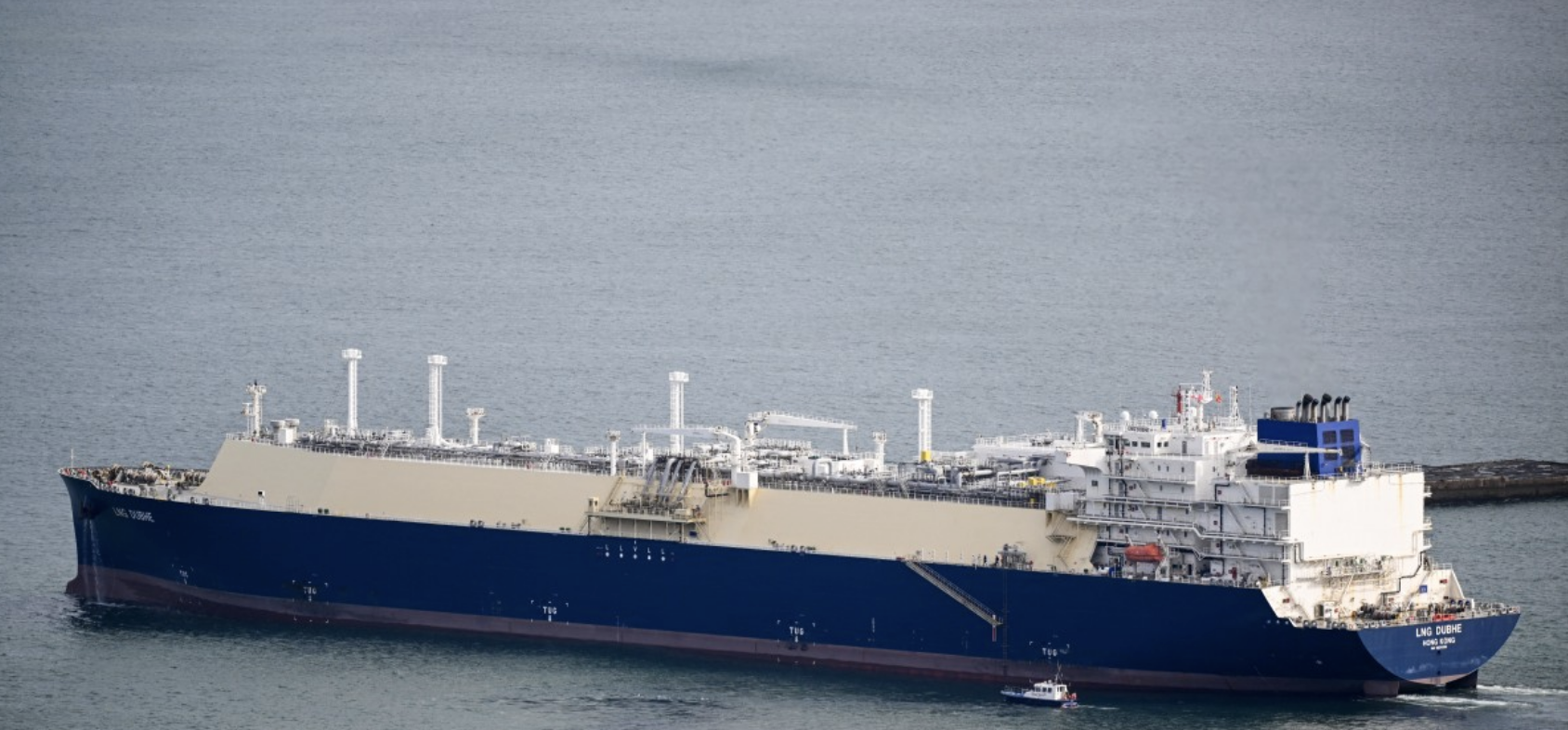
However, the move failed to calm market concerns over potential supply shortages, particularly as the Strait of Hormuz — a key global shipping route through which about one-fifth of the world’s crude oil passes — has been effectively shut down following Iranian retaliatory attacks on ships and neighbouring Gulf states.
In one of the incidents, an attack on two oil tankers off Iraq left at least one crew member dead, while another cargo vessel caught fire after being struck by shrapnel.
In its latest market report, the IEA said global crude oil production had dropped by at least eight million barrels per day, with an additional two million barrels in petroleum products affected — equivalent to about 7.5 percent of total daily global production.
The price of Brent North Sea crude, the international benchmark, peaked at $101.59 per barrel during Thursday’s trading session.
Prices briefly eased before rising again after US President Donald Trump said preventing Iran from acquiring nuclear weapons was a greater priority than controlling oil prices.
At around $100 per barrel, Brent crude is approximately 38 percent higher than its level before the conflict began 13 days ago, when the United States and Israel launched airstrikes against Iran.
Energy markets have been rattled by reports of Iranian attacks on shipping in the Persian Gulf, alongside missile strikes targeting countries across the region, according to analyst David Morrison of Trade Nation.
He noted that the United States’ difficulty in reopening the Strait of Hormuz and securing shipping routes suggests there may be limits to its regional dominance.
The IEA’s strategic reserve release is estimated to cover roughly 20 days of oil supplies that normally transit through the Strait of Hormuz, which remains largely blocked due to the attacks.
“If the release of strategic reserves was intended to cap oil prices, it has clearly failed,” Morrison added.
Airlines React to Rising Fuel Costs
The surge in oil prices is already affecting the aviation sector.
Air New Zealand announced plans to cancel about 1,100 flights over the next two months, while Cathay Pacific said it would introduce new jet fuel surcharges on most routes.
Meanwhile, Air France-KLM disclosed plans to raise ticket prices to offset rising fuel costs.
According to Kathleen Brooks, research director at trading group XTB, prolonged high oil prices could trigger significant inflationary pressure on the global economy.
“The longer oil prices remain elevated, the more damaging and long-lasting the inflation shock will be,” she said.
Global Markets Slide
Major global stock markets also reacted negatively to the rising tensions.
On Dow Jones Industrial Average, shares fell more than one percent shortly after the opening bell on Wall Street.
European markets also traded lower in afternoon sessions, while most Asian markets closed in negative territory.
The US dollar strengthened against most major currencies, driven by safe-haven demand and rising inflation concerns.
According to Victoria Scholar of Interactive Investor, the dollar’s gains reflect investor fears about inflation and expectations that interest rates could remain higher for longer.
Key Market Figures (around 13:30 GMT)
-
Brent North Sea Crude: UP 8.7% at $99.94 per barrel
-
West Texas Intermediate: UP 8.6% at $94.77 per barrel
Stock Markets:
-
Dow Jones (New York): DOWN 1.1% at 46,879.88
-
S&P 500 (New York): DOWN 0.8% at 6,720.28
-
Nasdaq Composite (New York): DOWN 0.9% at 22,522.95
-
FTSE 100 (London): DOWN 0.5% at 10,305.77
-
CAC 40 (Paris): DOWN 0.5% at 7,998.74
-
DAX (Frankfurt): DOWN 0.4% at 23,540.30
-
Nikkei 225 (Tokyo): DOWN 1.0% at 54,452.96
-
Hang Seng (Hong Kong): DOWN 0.7% at 25,716.76
-
Shanghai Composite: DOWN 0.1% at 4,129.10
Currencies:
-
Euro/Dollar: $1.1537
-
Pound/Dollar: $1.3381
-
Dollar/Yen: 158.98 yen
-
Euro/Pound: 86.23 pence


