 By
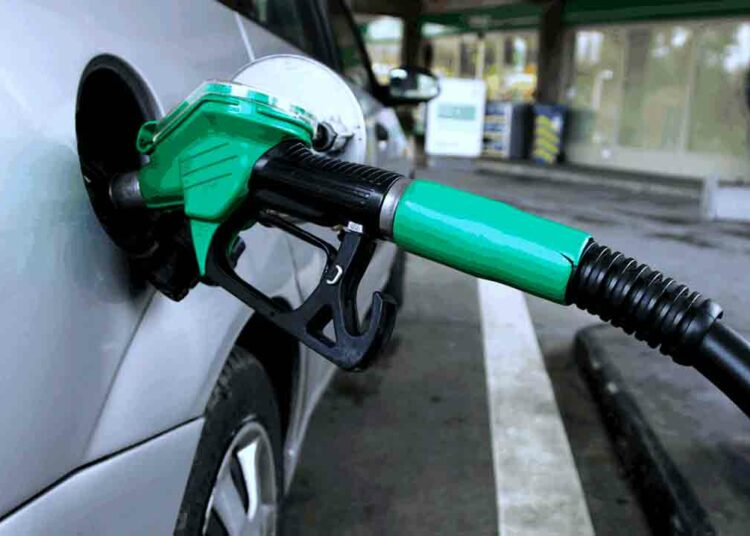
By With the pump price of petrol approaching N1,500 per litre amid escalating Middle East tensions, labour unions, economists, manufacturers, and civil society organisations have called for urgent government intervention to ease the growing economic burden on Nigerians.
The groups are advocating a range of measures, including the reintroduction of fuel subsidies, naira-denominated crude supply to the Dangote Refinery and public refineries, the establishment of strategic petroleum reserves, expansion of public transport systems, renewable energy incentives, and comprehensive power sector reforms.
They warn that rising fuel costs are fuelling inflation, triggering business closures, increasing job losses, and worsening hardship for households and small and medium-sized enterprises (SMEs).
Meanwhile, the Minister of Information, Mohammed Idris, has stated that Nigeria is prepared to boost global oil supply to support energy security. He highlighted President Bola Tinubu’s ongoing reforms aimed at strengthening the economy and deepening international relations, referencing recent engagements with the United Kingdom.
Idris also noted that some African countries are increasingly turning to the Dangote Refinery as an alternative source of refined products amid tensions in the Middle East.
Labour Raises Alarm Over Economic Impact
The Nigeria Labour Congress (NLC) has called on the Federal Government to take urgent and strategic steps to cushion the impact of rising fuel prices.
Speaking exclusively to Pulsewireng, NLC Acting General Secretary, Comrade Benson Upah, said the volatility in the global oil market—largely driven by Middle East tensions has exposed Nigeria’s lack of preparedness for external shocks.
He noted that countries with foresight typically maintain strategic petroleum reserves to stabilise domestic markets during crises, adding that Nigeria appears to lack such buffers.
Upah warned that while the government may benefit from higher crude oil revenues, such gains could be short-lived without protective measures for citizens and businesses.
“The impact on us was instantaneous, suggesting there were no reserves, or if there were, they were not released,” he said.
He recommended the immediate supply of crude oil in naira to local refineries, particularly the Dangote Refinery, to boost domestic production and reduce reliance on imports. In the long term, he stressed the need to establish nationwide strategic reserves.
Calls for Refinery Revival, Economic Independence
NLC President, Comrade Joe Ajaero, described the situation as a wake-up call for Nigeria to pursue economic independence through local refining.
He urged the government to revive the Port Harcourt, Warri, and Kaduna refineries, warning against policies that could undermine public assets or create monopolies in the downstream sector.
“No nation achieves economic freedom by exporting jobs and importing prices,” Ajaero said.
He added that rising fuel prices are already taking a severe toll on workers, with transportation costs soaring and food inflation eroding incomes.
Subsidy Debate Resurfaces
The President of the Nigeria Union of Petroleum and Natural Gas Workers (NUPENG), Comrade Williams Akporeha, called for temporary relief measures, including the reintroduction of fuel subsidies.
“This is the period when the government should offer hope to Nigerians,” he said.
Economists, Manufacturers Warn of Deeper Crisis
Dr Muda Yusuf, CEO of the Centre for the Promotion of Private Enterprise (CPPE), said the surge in global energy prices underscores the vulnerability of Nigeria’s economy to external shocks.
He advised businesses to improve energy efficiency, diversify energy sources, and strengthen financial management, while urging government to accelerate reforms in electricity supply, renewable energy adoption, and domestic refining.
Yusuf noted that poor electricity supply forces Nigerians to rely heavily on generators, costing the economy between N7 trillion and N10 trillion annually.
Similarly, the Director-General of the Nigerian Textile Manufacturers Association (NTMA), Hamma Kwajaffa, warned that inflation could rise further unless urgent measures are taken.
SMEs, Informal Sector Bear the Brunt
The Federation of Informal Workers of Nigeria (FIWON) and the Association of Small Business Owners of Nigeria (ASBON) highlighted the severe impact on small businesses and informal workers.
FIWON General Secretary, Gbenga Komolafe, stressed the need to stabilise domestic fuel prices, noting that many Nigerians lack social safety nets.
ASBON President, Dr Femi Egbesola, said rising fuel costs have significantly increased operational expenses, reduced profit margins, and forced some businesses to shut down.
“Many businesses are no longer running profitably,” he said.
Global Context and Market Pressures
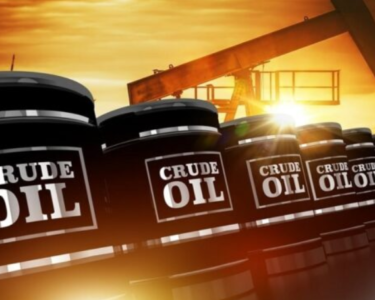
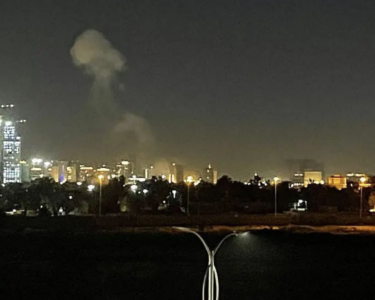
Brent crude prices have surged above $100 per barrel amid Middle East tensions and disruptions around the Strait of Hormuz, a critical global energy corridor.
Experts warn that higher fuel and logistics costs are placing significant pressure on households and businesses, particularly vulnerable groups.
Transport Sector Pushes for Energy Diversification
Transport stakeholders are calling for accelerated adoption of alternative energy sources such as compressed natural gas (CNG), liquefied petroleum gas (LPG), and renewables.
The National Association of Road Transport Owners (NARTO) said over 15,000 vehicles have already been converted to CNG, with significant cost savings.
The Petroleum Products Retail Outlets Owners Association of Nigeria (PETROAN) proposed the rollout of one million CNG conversion kits and the establishment of an Energy Bank with $15 billion in funding to support local refining and energy security.
Experts Recommend Long-Term Energy Strategy
Energy experts have emphasised the need for a disciplined, long-term approach to reduce dependence on petrol.
Recommendations include:
- Opening strategic reserves to stabilise supply
- Strengthening governance in the petroleum sector
- Improving foreign exchange stability
- Scaling up LPG adoption for households and businesses
Conclusion
As petrol prices edge closer to N1,500 per litre, stakeholders warn that without swift and coordinated intervention, Nigeria risks deeper economic strain, rising inflation, and widespread hardship.