 By
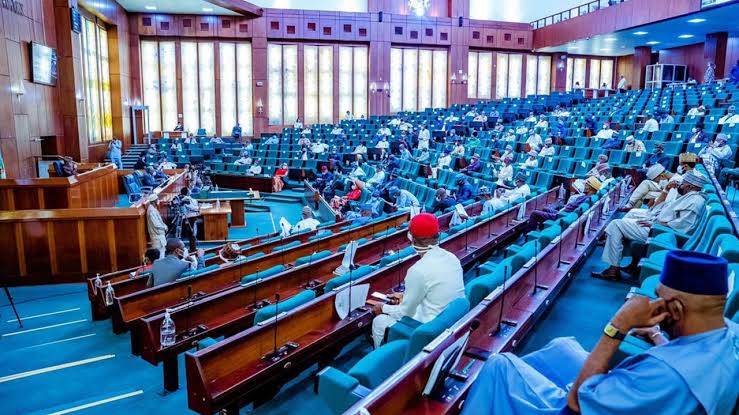
By The Minority Caucus in the House of Representatives has uncovered evidence that parts of Nigeria’s newly gazetted tax laws were unlawfully modified after receiving legislative approval and presidential assent.
The finding is contained in an interim report by the Minority Caucus Ad-hoc Committee on Tax Laws, which was established to probe claims that the versions of tax reform laws published in the official gazette differ from those passed by the National Assembly.
The issue sparked public concern after Hon. Abdulsamad Dasuki (PDP, Sokoto) drew the attention of lawmakers to the discrepancies during plenary, warning that the documents in circulation did not reflect the resolutions approved by parliament.
Reacting to the development in a statement dated December 28, 2025, the Minority Caucus pledged to defend the autonomy of the legislature and Nigeria’s democratic institutions, describing the circulation of altered laws as a direct challenge to the authority of the National Assembly.
Following this, the caucus, led by Minority Leader Rt. Hon. Kingsley Chinda, on January 2, 2026, inaugurated a seven-member investigative committee chaired by Hon. Afam Victor Ogene. The panel also includes Hon. Aliyu Garu (Bauchi), Hon. Stanley Adedeji (Oyo), Hon. Ibe Osonwa (Abia), Hon. Marie Ebikake (Bayelsa), Hon. MB Shehu Fagge (Kano), and Hon. Gaza Gbefwi Jonathan (Nasarawa).
The committee noted that a day later, on January 3, 2026, the House spokesperson, Rep. Akintunde Rotimi, announced that Speaker Abbas Tajudeen had ordered the public release of the four tax reform laws signed by President Bola Ahmed Tinubu, alongside an internal verification exercise aimed at preserving legislative integrity.
The released laws were the Nigeria Tax Act, 2025; Nigeria Tax Administration Act, 2025; National Revenue Service (Establishment) Act, 2025; and the Joint Revenue Board (Establishment) Act, 2025.
According to the committee’s initial assessment, a side-by-side review of the Certified True Copies issued by the House and the earlier gazetted documents confirmed that unauthorized amendments had been made, with the Nigeria Tax Administration Act, 2025, most affected.
The report disclosed that multiple versions of the Nigeria Tax Administration Act were in circulation. It further stated that instructions to “harmonise” the Acts with the Federal Government Printing Press exposed procedural breaches that intruded into the law-making powers of the National Assembly.
One of the major alterations identified relates to Section 29(1), where the financial reporting thresholds in the gazetted version were lowered from ₦50 million to ₦25 million for individuals and from ₦250 million to ₦100 million for corporate entities—changes not approved by lawmakers.
The committee also identified the addition of subsections 41(8) and 41(9), which require taxpayers to pay 20 per cent of disputed tax liabilities before appealing rulings of the Tax Appeal Tribunal. These provisions, the panel noted, were absent from the version passed by the legislature.
Further inconsistencies include expanded enforcement powers under Section 64, allowing tax authorities to arrest individuals and dispose of assets without court authorization; revisions to Section 3(1)(b) that removed petroleum income tax and VAT from the definition of federal taxes; and amendments to Section 39(3) mandating petroleum tax computations in United States dollars rather than the transaction currency.
In the National Revenue Service (Establishment) Act, the committee observed that clauses granting the National Assembly oversight authority such as the power to summon officials and request periodic reports were omitted in the gazetted copy, undermining the principle of checks and balances.
Describing the findings as evidence of “irregularities, illegality and impunity,” the committee said the matter warrants an expanded investigation to establish responsibility and protect democratic governance.
The panel has therefore sought additional time to carry out a comprehensive inquiry.
In his remarks, committee chairman Hon. Afam Ogene expressed appreciation to the Minority Caucus leadership and reaffirmed the panel’s resolve to defend the constitutional mandate of the National Assembly.