 By
By US President Donald Trump on Saturday threatened to escalate the bombing campaign against Iran, as Iranian President Masoud Pezeshkian vowed that the country would never surrender despite renewed US and Israeli air strikes that set an airport in Tehran ablaze.
Israel confirmed some of its largest raids since the aerial bombardment of Iran began last Saturday, targeting a military academy, an underground command centre, and a missile storage facility.
Pre-dawn images showed fire and thick smoke rising from Mehrabad International Airport, one of two major airports serving the capital, Tehran.
“Today Iran will be hit very hard,” Trump wrote on his social media platform, Truth Social.
He added that areas and groups previously not considered for targeting were now “under serious consideration for complete destruction and certain death,” citing what he described as Iran’s “bad behavior.”
President Pezeshkian responded defiantly during a speech broadcast on state television, appearing to reject Trump’s earlier demand for “unconditional surrender.”
“Iran’s enemies must take their wish for the unconditional surrender of the Iranian people to their graves,” he said.
Iran Launches Retaliatory Strikes
Iran also retaliated on Saturday, demonstrating it still retains the ability to launch missiles and drones despite days of sustained attacks on its military infrastructure.
Air raid sirens and explosions were reported above Jerusalem as well as in Gulf cities including Dubai and Manama, and near Riyadh, where Saudi Arabia said it intercepted a ballistic missile fired toward an air base hosting US personnel.
The United Arab Emirates said it intercepted 15 ballistic missiles and 119 drones on Saturday. However, video footage appeared to show a projectile crashing near Dubai’s international airport, one of the world’s busiest hubs for global travel.
An explosion occurred near an airport building and parked aircraft close to a passing train, according to mobile phone footage verified by AFP.
Meanwhile, Jordan accused Iran of targeting critical infrastructure within its territory with missiles and drones over the past week, according to military spokesman Mustafa Hayari.
Pezeshkian later apologised to Gulf nations hosting US military bases, stating they would only be targeted if their territories were used as launch sites for attacks against Iran.
Iran’s Revolutionary Guards also said they fired at an oil tanker, the Prima, as it attempted to cross the Strait of Hormuz, a vital global shipping route that Tehran has effectively closed.
Rising Human Cost
Now entering its second week, the conflict was triggered by joint US and Israeli air strikes last Saturday that reportedly killed Iran’s Supreme Leader, Ali Khamenei.
The war has since expanded beyond Iran to include strikes affecting Lebanon, Cyprus, Turkey and Azerbaijan. It has also spread to waters near Sri Lanka, where US forces reportedly sank an Iranian warship with a torpedo.
Inside Iran, infrastructure damage continues to grow while residents in Tehran report rising anxiety and a heavy security presence.
“I don’t think anyone who hasn’t experienced war would understand it,” a 26-year-old teacher told AFP on condition of anonymity. “When you hear the bombs, you have no idea where they will hit.”
Iran’s health ministry said civilian deaths had reached 926 as of Friday, with about 6,000 people injured, although AFP said it could not independently verify the figures.
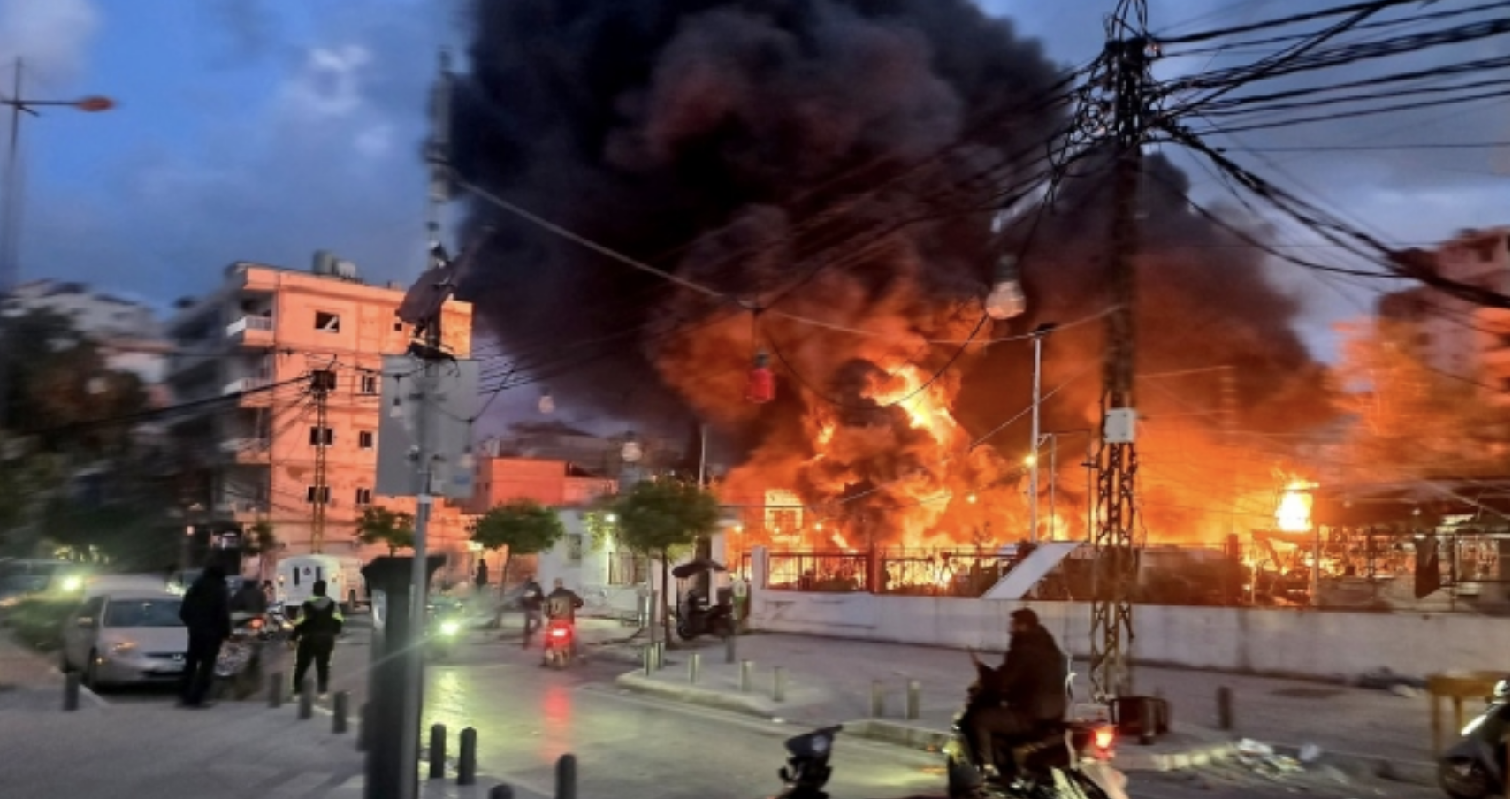
Israel has also intensified air strikes in Lebanon, repeatedly targeting the densely populated southern suburbs of Beirut, an area where the Iran-backed militant group Hezbollah holds influence.
Israeli Defence Minister Israel Katz warned Lebanese President Joseph Aoun that Lebanon would pay a “very heavy price” if Hezbollah was not disarmed.
Lebanon’s health ministry said at least 217 people had been killed in Israeli air strikes over the past week, while Prime Minister Nawaf Salam warned that a humanitarian disaster could be looming.
Global Impact
The conflict’s repercussions are being felt globally.
Stock markets have dropped sharply, while crude oil prices have surged amid fears that the conflict could disrupt shipping through the Strait of Hormuz, a key artery for global energy supplies.
Analysts warn there is currently no clear path to ending the conflict, which US and Israeli officials suggest could last for several weeks.
Trump has ruled out fresh negotiations with Tehran, reiterating on Truth Social that there would be “no deal with Iran except unconditional surrender.”
Leadership and International Response
Trump has also suggested that the United States would help rebuild Iran’s economy if Tehran installs a leader “acceptable” to Washington to replace the late Khamenei.
Iran’s ambassador to the United Nations, Amir Saeid Iravani, rejected the idea, saying the choice of Iran’s leadership would be determined solely by the Iranian people under the country’s constitutional process.
Despite Iran’s retaliation across the Middle East, its major allies, including China and Russia, have largely avoided direct involvement.
Russian President Vladimir Putin called for an “immediate” ceasefire during a phone call with Pezeshkian on Friday, according to the Kremlin.
Meanwhile, US Defense Secretary Pete Hegseth said Washington was “not concerned” by reports that Russia might be sharing intelligence with Iran about US troop movements.
The war has also claimed the lives of six US service members. Trump is expected to attend a transfer ceremony for their remains at Dover Air Force Base later on Saturday.