
 By
By The Federal Government has stepped up surveillance at Nigeria’s airports and other entry points, introducing mandatory health screening for inbound passengers and returning Hajj pilgrims following renewed Ebola outbreaks in Uganda and the Democratic Republic of the Congo (DRC).
The preventive measures include compulsory completion of an Ebola health declaration form before boarding flights to Nigeria, enhanced airport monitoring, and closer coordination between aviation and health authorities to prevent possible importation of the virus.
The action follows the World Health Organisation’s declaration of the latest Ebola outbreak, linked to the Bundibugyo strain, as a Public Health Emergency of International Concern on May 17, 2026.
A Director at the Nigeria Civil Aviation Authority (NCAA), Don Spiff, confirmed that all passengers heading to Nigeria must complete a mandatory Ebola screening questionnaire before departure.
“Every passenger travelling to Nigeria will be required to fill the Ebola health form before boarding,” he said.
He explained that the exercise is being coordinated by the Nigeria Centre for Disease Control and Prevention (NCDC) alongside aviation and port health authorities.
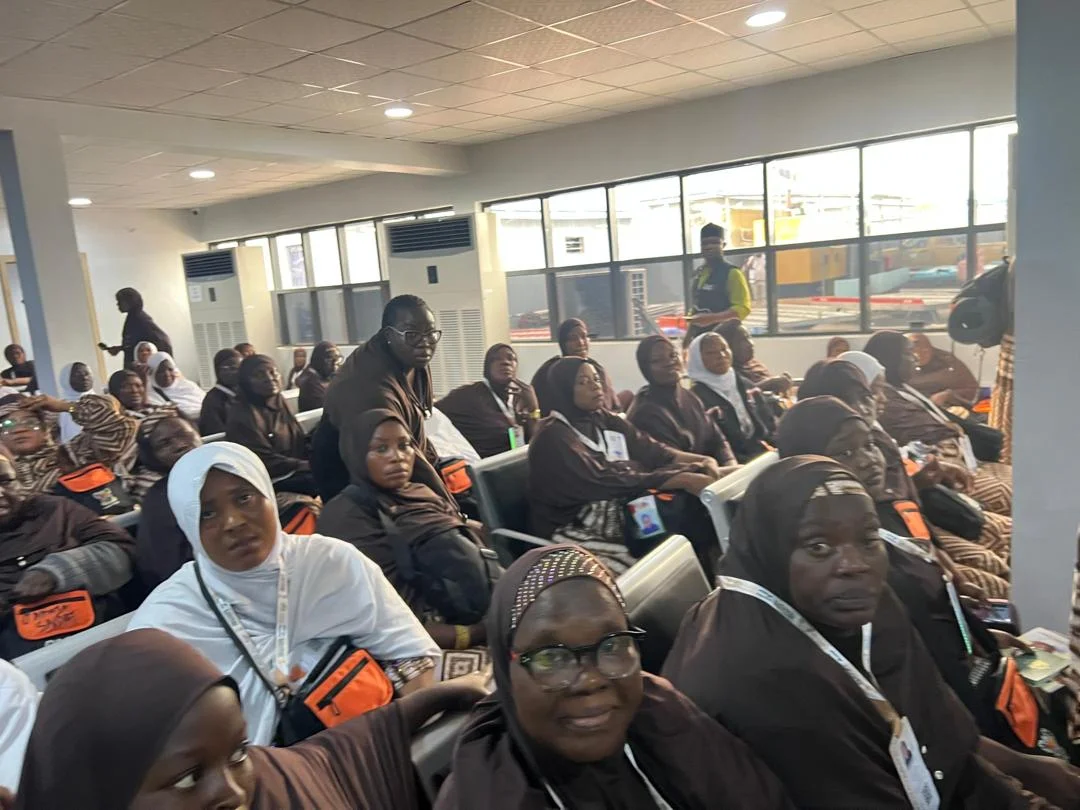
Spiff noted that the measure is particularly important as thousands of Nigerian pilgrims are expected to return from Saudi Arabia starting June 4 through major international airports in Lagos, Abuja, Kano, Port Harcourt and Enugu.
He added that support systems have been put in place for passengers who may struggle with the online registration process, including assistance from tour operators, health officials and Federal Airports Authority of Nigeria (FAAN) personnel.
Special monitoring for Uganda flights
According to the NCAA official, additional screening arrangements have been introduced for flights from Uganda, which operates regular services into Lagos.
He said passengers on Ugandan Airlines flights arriving on Sundays and Mondays will undergo enhanced screening at the Hajj terminal of the Murtala Muhammed International Airport for closer health checks.
The NCAA also said it has issued operational guidelines to international carriers, including Ethiopian Airlines, while considering staggered flight arrivals to ease pressure on screening facilities.
Authorities said the effectiveness of the current measures will be reviewed in the coming days to determine further actions.
Airlines directed to enforce health declaration
In a separate advisory dated May 30, 2026, the NCAA instructed all international airlines operating into Nigeria to ensure passengers complete the NCDC Health Declaration Form before arrival.
The regulator said surveillance and preparedness systems had been strengthened across airports in response to the Ebola threat.
It added that the Federal Ministry of Health, NCDC, Port Health Services and international partners were working together to improve detection and response capacity.
Passengers unable to complete the online form will still be allowed to fill out paper versions upon arrival, the NCAA noted.
Airport screening already underway
Checks by Sunday PUNCH indicate that enhanced screening has already begun at the Murtala Muhammed International Airport in Lagos, where health officials are carrying out temperature checks and collecting passenger data for contact tracing.
Similar surveillance operations are ongoing at other international airports nationwide.
A security source at Port Harcourt International Airport confirmed increased monitoring by Port Health Services, while travellers arriving from Europe and other regions also reported stricter screening procedures.
The Federal Airports Authority of Nigeria (FAAN) confirmed that all international airports have been placed on heightened alert, noting that no Ebola case has been recorded in Nigeria.
NCDC raises national alert level
The NCDC has activated nationwide preparedness protocols and urged healthcare facilities to remain vigilant.
Its Director-General, Jide Idris, warned that Nigeria’s high level of international travel increases vulnerability, especially because Ebola symptoms can resemble malaria and Lassa fever in early stages.
He called on health workers to strictly adhere to infection prevention and control measures and promptly report suspected cases.
Health expert warns on transmission risks
Public health expert, Prof. Tanimola Akande, urged Nigerians to observe preventive measures, warning that Ebola can spread rapidly through contact with infected animals and human transmission.
He advised early reporting of symptoms, strict hygiene practices, and avoidance of contact with suspected cases.
Akande also called for stronger border surveillance at airports, seaports and land crossings to prevent importation of the virus.
He noted that the Bundibugyo strain has a fatality rate of between 30 and 50 per cent, stressing the importance of early detection and rapid response.
US pledges $112m support
Meanwhile, the United States has announced over $112 million in emergency assistance to support Ebola response efforts in Uganda and the DRC.
The funding will support protective equipment, border screening, contact tracing and laboratory diagnostics, alongside additional preparedness support for neighbouring countries in East Africa.